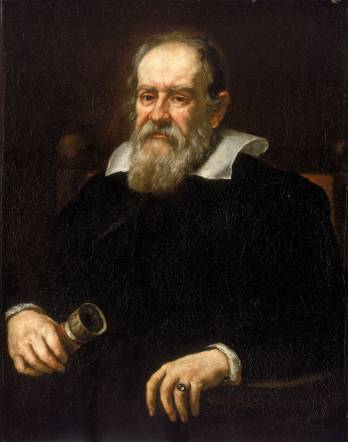
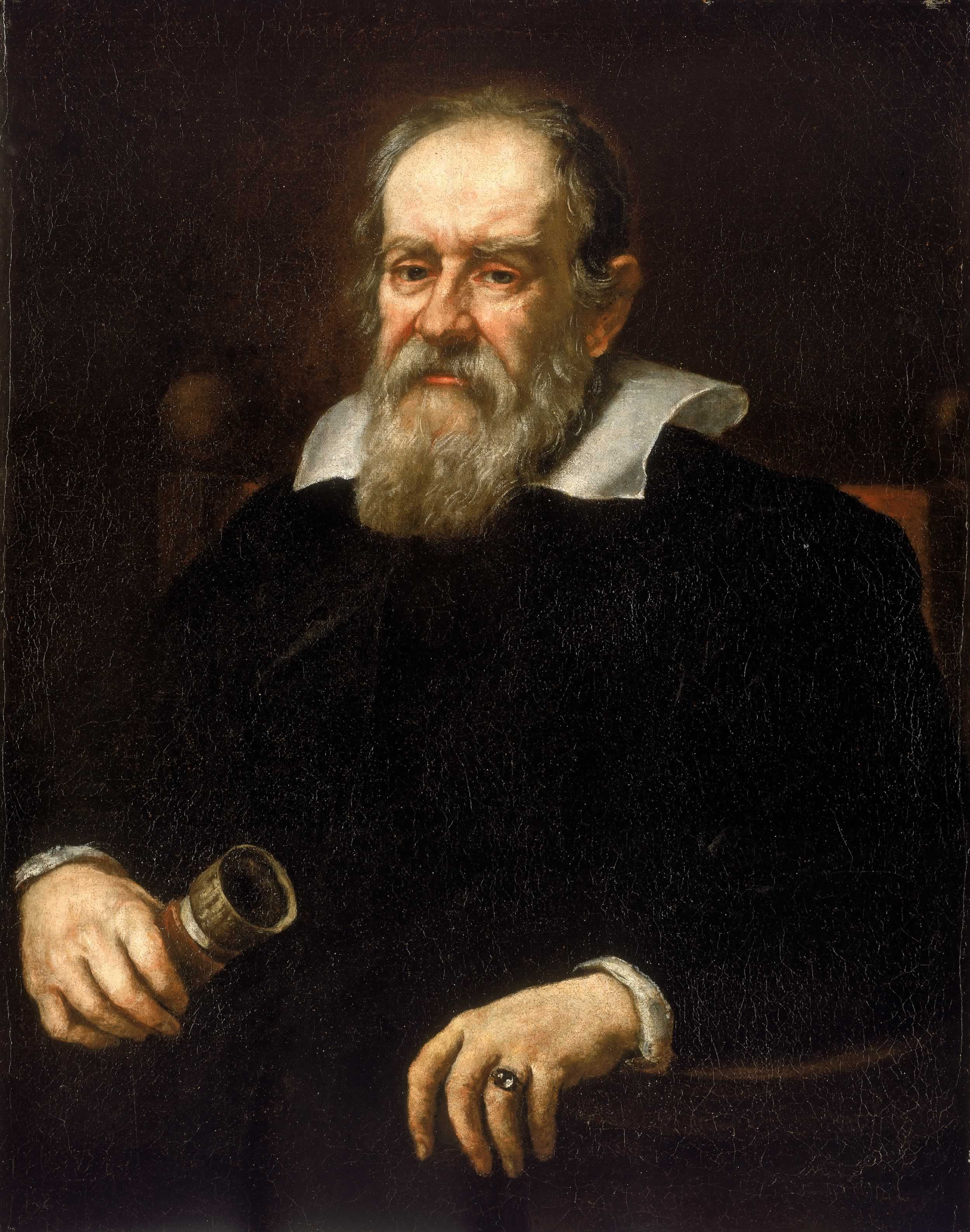
Galileo Galilei pic source Italian astronomer, physicist, engineer, philosopher, and mathematician
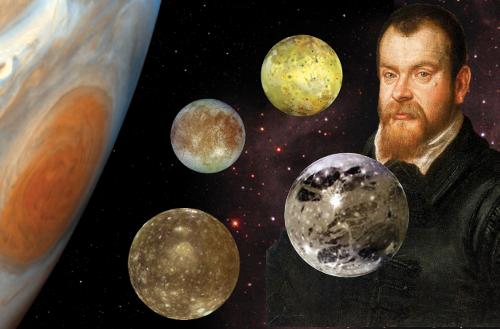
Galileo Galilei ( 15 February 1564 – 8 January 1642) was an astronomer who played an major role in the scientific revolution during the Renaissance.He was called the “father of observational astronomy” and the “father of modern physics”.His contribution to astronomy includes his discovery of the four largest satellites of Jupiter and confirmation of phases of Venus by telescopic observation. He supported heliocentrism and Copernicanism during most of his lifetime and was attacked by astronomers who believed in geocentrism and Tychonic system.His Dialogue Concerning the Two Chief World Systems brought him the trial from the Roman Inquisition and he spent his last 10 years under house arrest, which was a tragedy both for himself and scientific progress.
Contemporary Person:
- Albrecht von Wallenstein( 24 September 1583 – 25 February 1634): He was the supreme commander of the armies of the Habsburg Monarchy and a major figure of the Thirty Year’s War.He defeated King Gustavus Adolphus of Sweden in the battle of Lützen and regained the territory lost in previous wars.
Contemporary Events:
- In China :In 1644, the Manchu conquered the whole territory of China, ending the Ming Dynasty.And the subsequent Qing Dynasty ruled until 1912.
- In Europe: In 1648, The Peace of Westphalia ended the Thirty Year’s War ,which marked the ends of Spain and the Holy Roman Empire as major European powers.
Reflection:
I’m so impressed by Galileo Galilei‘s contribution to observational astronomy.It’s somehow unimaginable for me that he was able to discover four satellites of Jupiter in his time with limited observational technology.And this discovery directly leaded to an revolution in astronomy since the fact that small planets orbit around large planets defies Aristotle’s cosmic perspective that all celestial objects should orbit around Earth. Another interesting thing I find out is that most of Galileo‘s researches and discoveries in both physical and astronomical fields were against Aristotle’s theories that were prevalent in 17th century.In a certain sense, I would like to regard him as the “terminator of Aristotle’s doctrines“. And it”s so disappointing that the Inquisition forced him to recant his support for Copernicus‘s heliocentrism and spend the rest of his life in house arrest. Sadly, Catholism again performed an disgraceful role in impeding scientific progress.