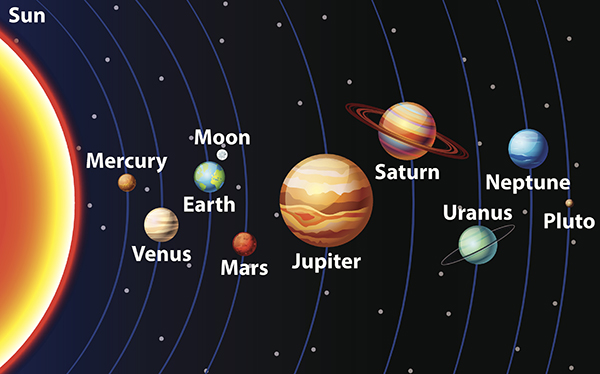
This blog will contain various topics and knowledge about the solar system.
Welcome! Let’s explore the beauty of astronomy together!
This blog will contain various topics and knowledge about the solar system.
Welcome! Let’s explore the beauty of astronomy together!
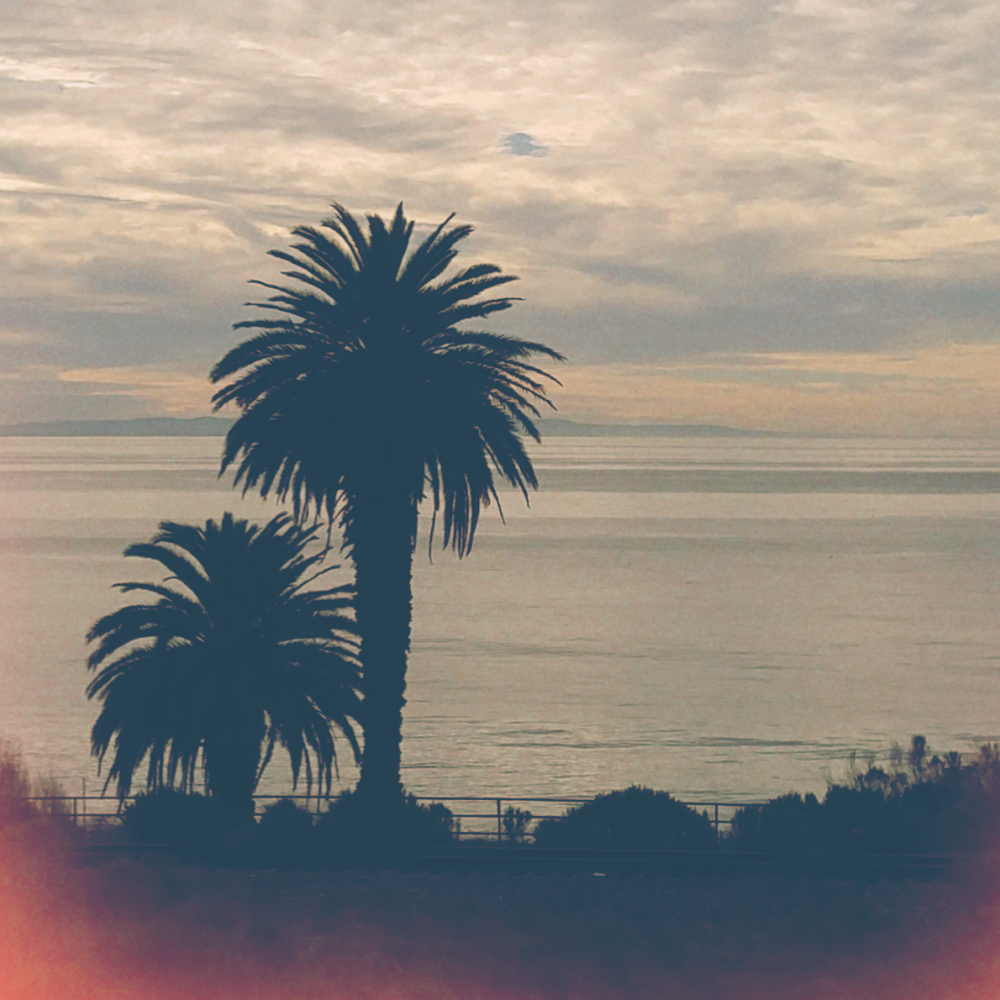
Greetings fellow astronomers! I look forward to blogging with you all. Below is a picture of the sun setting in my hometown of Cleveland, OH.


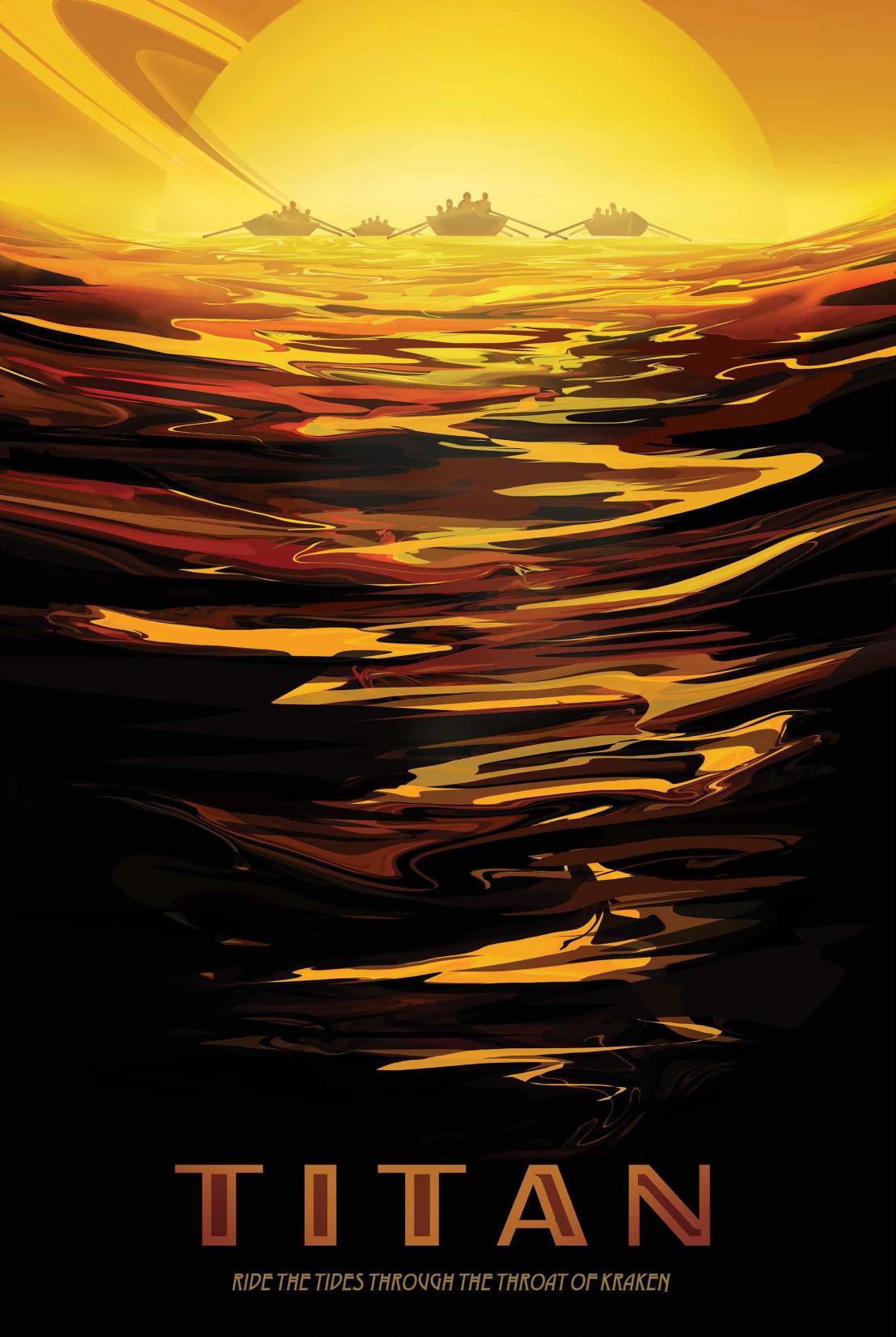
It’s a new year, a new astronomy class, and a new round of posters from NASA’s JPL. In the future I will be making blog posts related to Solar System astronomy this semester, but for now, check out NASA’s retro-futuristic posters. My personal favorite is the idea of rowboating under Saturn-light on Titan.


Hello, welcome to my blog! You will find many interesting things about me and my life as I study on this pale blue dot. The above photo was taken by me on my back porch at home in Pennsylvania. I love photography and stargazing so naturally I picked up astrophotography as a hobby! The picture is a star trail (stacked image) of the northern night sky viewed from the Northern hemisphere in February. Click here to learn more about astrophotography! I’ll see you next time 


Welcome to my blog for ASTR 2110 – The Solar System.
A little about me: I am a senior, majoring in Political Science and Russian. I took Intro to Astronomy and the corresponding lab my sophomore year. I’m interested in space mainly because it’s so foreign to me. A lot of it is daunting and insane, so I think that makes learning about it so fun.
I also really like constellations and the stories behind each. My favorite constellation is Orion (and only partly because it’s the easiest for me to find).


In the universe, light travels at a speed of 3.00×10⁸ meters per second or 671 million miles per hour. Nothing can travel faster than the speed of light, but does light always travel at “the speed of light”?
Light only travels at 671 million mph in a vacuum and therefore, most of the time, light does not travel that fast. The speed of light depends on the medium through which it is traveling . For instance, light travels slower through water or glass.
In some cases, particles will move faster through a certain medium than light does, and it causes a blue glow called Cherenkov radiation. This radiation occurs when a charged particle passes through a dielectric medium faster than the speed that light is traveling in that certain medium. It is very common for this to happen in underwater nuclear reactors, much like the one pictured above of the Advance Test Reactor in Idaho.


Celestial Navigation, or astronavigation, is the science of navigating using what we see in the sky above us. It is one of the oldest ways of navigation among the seas and has declined with the invention of the GPS, but is still a very important skill to have. In an event of a GPS malfunction, knowledge of celestial navigation can help guide someone back to land!
Celestial navigation uses angle measurements between a celestial body and the horizon to tell you your position on the earth, be it on land or at sea. The most commonly used celestial body is the sun, but the moon and Polaris can also be used. In addition, there are certain “navigational stars” who coordinate are known that we can use to tell our position on the earth.
The tool most commonly used for celestial navigation is the sextant which can measure the angle between any two objects. By measuring the angle between a few celestial bodies and the horizon, one can calculate their position on earth. A sextant is accurate to a three-mile radius, which was incredible in the early-mid 1900’s, but is a wide margin for the technology we have today.
The Naval Academy has recently reinstated their celestial navigation courses for midshipmen. Around a decade ago, the Navy decided that they did not want to teach their students calculate their position on earth by hand. The midshipmen would continue to learn how to use a sextant, but would input that data into a computer rather that computing their position through mathematical equations by hand. The computers used by the Navy have improved the accuracy to a 60 feet radius. With fears around the security of the GPS and “desire to return to the basics of naval training“, the Navy has begun to return to its roots.
If you have any other questions or want to learn more about celestial navigation, Professor Susan Stewart is who you should contact. She is a professor here at Vanderbilt and specializes in celestial navigation for the Navy!


The Juno spacecraft launched from Florida on August 5th on 2011 with the plan of orbiting Jupiter (the largest planet). It took Juno until July 2016 to finally reach Jupiter, just to give you an idea of how big space is! The spacecraft, using spinning solar-powered spacecraft moves in an elliptical orbit and comes within about 3000 miles of the planet.
Juno just completed its 4th pass near Jupiter, concluding this orbit 11 days ago. Nasa’s picture of the day was a picture of the southern hemisphere of jupiter and its could systems. Its mission will last for 6 years with the goal of determining if beneath the thick layer of clouds, Jupiter has a solid core!