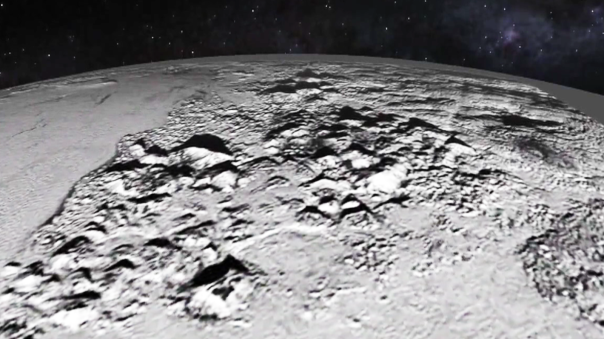
We talked much in class about different methods of discovering extrasolar planets, and Dr. G pointed out to us that the only reason people bother looking for extrasolar planets is to try and find life outside of our solar system. To do this, scientists have to narrow down the list of extrasolar planets into a list of planets that resemble Earth. The first such planet discovered by the Kepler mission was Kepler-186f.
Scientists determine whether or not a planet is habitable by looking at its location relative to its sun. They do this by first learning how much total radiation a star emits. Then, through some complicated math, they check if the planet is located at a distance that receives anywhere from 25% to 88% of the Earth’s illumination. If these factors align, scientists can conclude that the planet lies in the solar system’s habitable zone, and thus deem it potentially habitable.




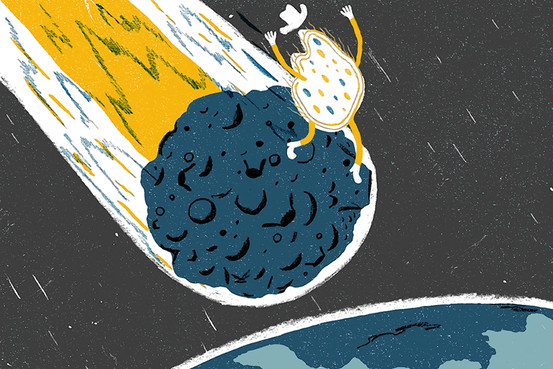


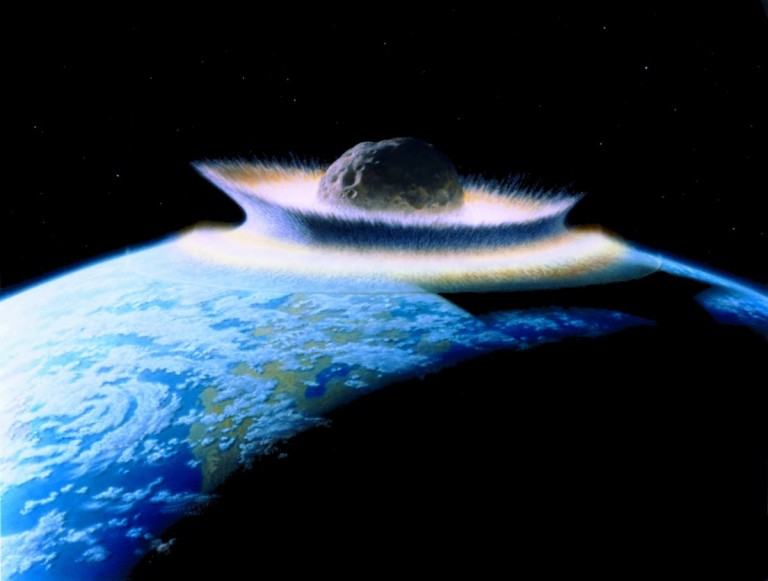 People have argued about if and when the human race will die out on earth. We have essentially taken ourselves out of the food chain, meaning that we won’t be hunted to extinction. We have also made great strides in medicine making it unlikely that we will die out from disease. It may seem improbable that we will ever die out and cease to walk the Earth unless we manage to destroy ourselves through warfare.